

 Write an Email
 Share
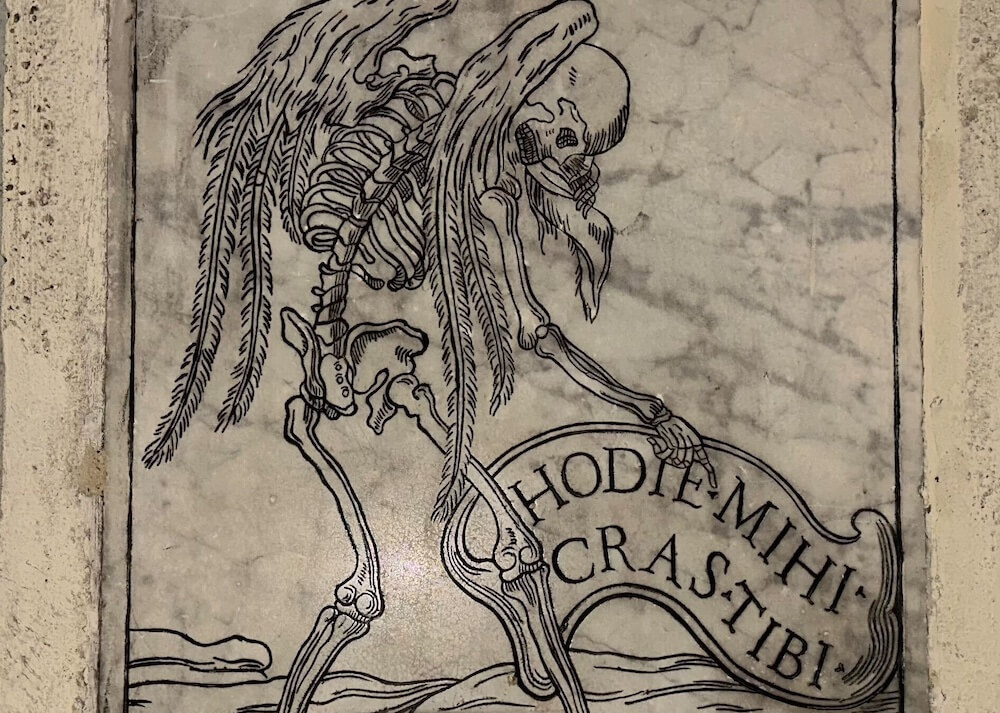
ShareWalk through London’s older quarters, and death lingers close at hand. From the skulls carved above church doors in the City to the weathered epitaphs of Highgate Cemetery, the capital is full of whispers from the past urging us to remember: Memento Mori — “Remember that you must die.”
What Does Memento Mori Mean?
The phrase Memento Mori comes from Latin, roughly translating as “Remember that you will die.” It’s not meant to be morbid — rather, it’s an invitation to live more consciously, to recognise the fleeting nature of existence. For centuries, artists, philosophers, and poets have turned this idea into a creative spark. In London, the reminders of mortality are woven into the city’s architecture, art, and even its street names.
If you’ve seen the latest movie of the 28 Days Later franchise, you might recognise the phrase. Dr Ian Kelson (Ralph Fiennes) quotes it when introducing his bone temple: a monument to all those laid waste by the Rage virus, infected and non-infected alike.
Medieval London & the Dance of Death
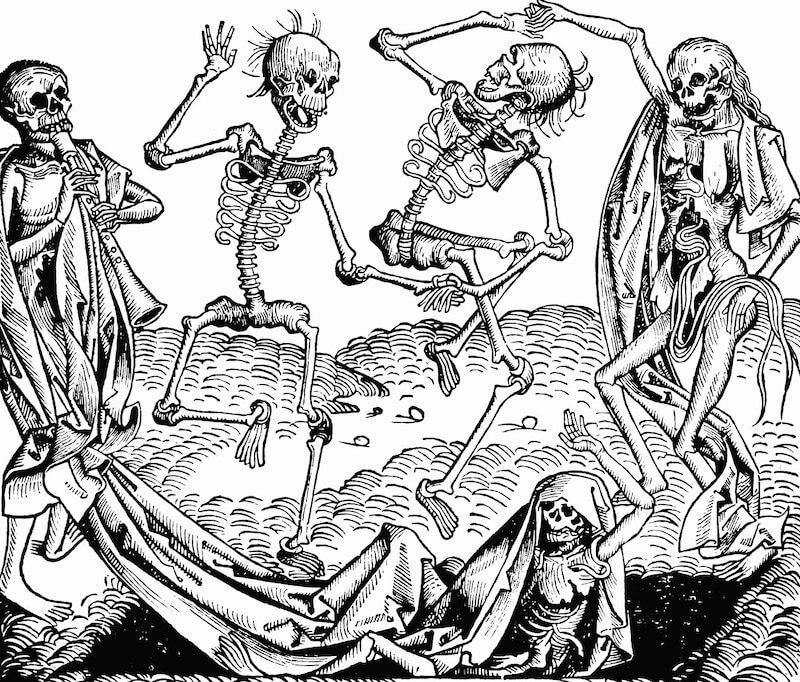
In medieval times, when plague swept repeatedly through the city, death was impossible to ignore. Church walls were often adorned with macabre imagery — skeletons, skulls, and hourglasses — reminders that status and wealth offered no immunity from fate.
One famous example once adorned St Paul’s Cathedral Churchyard, where prints of the Danse Macabre (“Dance of Death”) were sold to a public who needed little convincing of mortality’s presence. In these artworks, death led kings and peasants alike in a grim procession — a powerful equaliser in a city often divided by class.
Nearby, at Charterhouse Square, you stand on ground that hides a plague pit containing thousands of victims from the Black Death of 1348–49. Their anonymous resting place is one of London’s most poignant, silent Memento Mori.
Fire, Plague & Faith in 17th-Century London
By the 1600s, London had endured plague, civil war, and fire. Churches such as St Olave Hart Street in the City of London — once described by Charles Dickens as “ghastly, grim” — bear clear reminders of this. Over its gateway arches a skull and crossbones carved in stone, warning all who enter the churchyard that time spares no one. The inscription below reads, Christus vivit, mors mihi lucrum — “Christ lives, death is my reward.”
When the Great Plague returned in 1665, Londoners filled their diaries and letters with stark reflections on mortality. Samuel Pepys wrote of closed houses marked with red crosses, while bells tolled endlessly in parish after parish. These sounds and sights would have been inescapable reminders of death to those still living.
Highgate & the Art of Death in Victorian London
The Victorians, fascinated by the afterlife, made remembrance an art form. Nowhere is this clearer than in Highgate Cemetery, opened in 1839. Its labyrinth of tombs, angels, and mausoleums is less a graveyard than a gallery devoted to memory. Gothic carvings, ivy-clad obelisks, and the famous Egyptian Avenue remind visitors that even in mourning, beauty can bloom.
Epitaphs across Highgate and other “Magnificent Seven” cemeteries — Brompton, Kensal Green, Nunhead, and more — serve as written Memento Mori. Many remind the living to treasure their days: “Prepare, for thou knowest not the hour,” reads one stone worn by centuries of London rain.
Modern Echoes of Memento Mori
London’s fascination with death hasn’t faded — it’s simply evolved. The Wellcome Collection holds medical specimens and Victorian mourning jewellery, some crafted from the hair of the deceased, tangible tokens of remembrance. In art galleries, contemporary installations still explore mortality, echoing the eternal question: how do we live, knowing we must die?
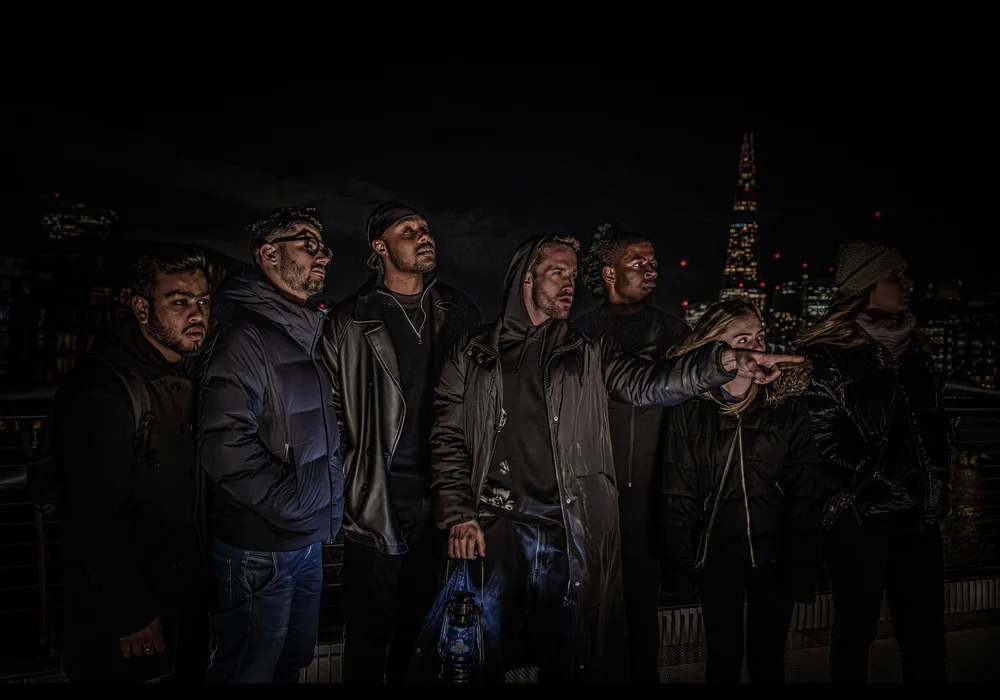
Even London’s Ghost Tours — from the shadows of Smithfield Market to the alleys of Whitechapel — are modern-day rituals of remembrance. By walking the same streets where plague victims, prisoners, and poets once lived and died, we participate in a citywide Memento Mori — a conversation across centuries.
Why Memento Mori matters
In an age of digital immortality and constant distraction, Memento Mori is more relevant than ever. It reminds us that life is brief and precious, that no empire or city — not even London — lasts forever.
So, as you pass under St Olave’s skulls or wander among the sleeping stones of Highgate, take a moment to reflect. Death’s reminder need not be grim — it is, in truth, an invitation to live more fully. Memento Mori is not about fearing the end, but about embracing the vivid, fleeting gift of being alive.